

Municipal Parking Solar Project Planning That Pays
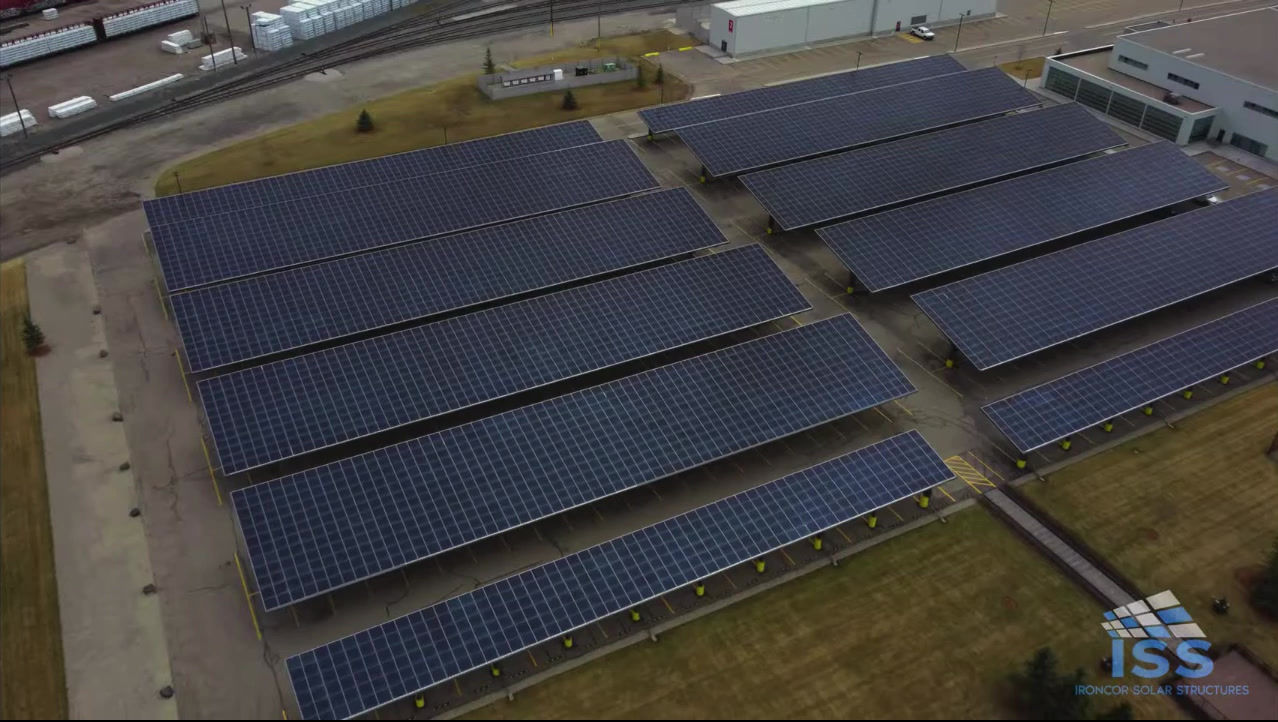
A municipal parking solar project begins with a simple question: what if a city-owned parking lot could do more than hold vehicles? Parking areas at city halls, recreation centers, transit hubs, public works yards, libraries, and fleet facilities are often large, exposed, and costly to maintain. With a properly engineered solar carport, that same footprint can produce electricity, protect municipal assets, support charging, and create a visible return on public infrastructure.
For municipalities, the strongest case is rarely based on solar generation alone. The value comes from combining energy savings with operational improvements that matter to facilities, fleet, finance, and sustainability teams alike.
Why a Municipal Parking Solar Project Has Broader Value
A solar carport converts underperforming pavement into an energy-producing asset without requiring additional land. That distinction matters where developable land is limited, public sites are already built out, or open green space must remain protected.
The electricity generated can offset on-site consumption from nearby buildings, lighting, pumps, refrigeration, or other municipal loads. The precise economics depend on local utility rates, interconnection rules, site load profiles, incentives, and the ownership model. Still, the central opportunity is clear: municipalities can use parking infrastructure to reduce exposure to long-term utility costs while making productive use of an existing asset.
The structure itself also delivers value beyond the meter. Covered parking protects employee vehicles, police cruisers, transit vehicles, maintenance trucks, and equipment from intense sun, snow, hail, and precipitation. That can improve driver comfort, reduce weather-related wear, and support better fleet readiness. At public-facing facilities, shade and weather protection can also improve the experience for staff, visitors, and community members.
A visible installation makes a practical statement about public investment. It shows residents that the municipality is pursuing cost control, energy resilience, and emissions reduction through infrastructure that serves multiple purposes. The best projects are not symbolic. They are designed to perform for decades.
Start With the Right Municipal Sites
Not every parking lot is a strong candidate. A productive feasibility process looks beyond available square footage and examines how the site operates.
The most promising locations commonly combine consistent daytime electrical demand, sufficient parking area, good solar access, and a clear need for covered vehicles or future charging. Fleet yards and transit facilities can be particularly compelling because they often have predictable vehicle schedules, substantial electrical loads, and a direct operational reason to add shelter.
Public-facing locations may have different priorities. A civic center, community college, hospital campus, or recreation complex may prioritize visitor comfort, high-visibility sustainability goals, and EV charging access. A public works facility may prioritize equipment protection, energy savings, and charging capacity for an electrifying fleet. The structure, electrical design, and financial model should reflect those differences.
Site screening should consider pavement condition, drainage, underground utilities, traffic circulation, snow management, emergency access, lighting requirements, available electrical capacity, and proximity to the point of interconnection. These details influence cost, schedule, and the final configuration. Addressing them early prevents a concept from becoming an expensive redesign later.
Match Generation to the Load Profile
A carport can generate significant power, but production is only valuable when it aligns with the municipality's energy strategy. Teams should review interval utility data, not only annual consumption. A site with high daytime demand may use more solar electricity directly, while another site may require a different interconnection approach or benefit from pairing solar with battery storage.
This analysis also helps determine whether a project should serve one facility, support a broader municipal account structure where permitted, or be phased across several sites. A citywide program may be more effective than one oversized installation if it creates repeatable procurement, standardized operations, and a balanced portfolio of loads.
Design for Operations, Not Just Panel Capacity
Solar carports are structural and electrical assets. Municipal buyers should expect a design that works with their daily operations rather than forcing operations to work around the structure.
Column placement is a central decision. It must preserve parking geometry, accessible spaces, aisle widths, turning movements, plow routes, and access for emergency or maintenance vehicles. At a fleet yard, clearance requirements and vehicle circulation can be more important than maximizing every possible solar module. A slightly smaller array that preserves safe, efficient movement is often the better long-term investment.
Structural design must also account for local wind, snow, seismic, and code requirements. Foundations, steel specifications, corrosion protection, drainage, and canopy height should be engineered for the actual site conditions. Low-cost, standardized concepts can look attractive during early budgeting, but they may not address local loads, underground constraints, or the operating needs of a municipal fleet.
Lighting, security cameras, signage, and conduit pathways should be considered during the initial design. Retrofitting these items after installation can add cost and create visual clutter. A coordinated solar structure can improve nighttime safety and retain the orderly appearance expected at a public facility.
Build EV Charging Into the Plan
Even when chargers are not installed immediately, municipal parking projects should plan for electrification. Adding appropriately sized conduit, electrical capacity, panel space, and equipment locations during construction is generally more economical than reopening pavement later.
The charging strategy should match vehicle use. Public Level 2 charging at a civic site has different requirements than overnight charging for municipal sedans, opportunity charging for transit buses, or high-capacity charging for heavy-duty fleet vehicles. Solar generation can contribute to the site's electricity needs, but it does not eliminate the need for careful load management and utility coordination.
Choose a Delivery Model That Protects Public Value
Municipal solar projects face a higher standard of accountability. Procurement teams must balance capital budgets, lifecycle value, public transparency, and delivery risk. The lowest initial price is not always the lowest cost over the asset's service life.
A complete evaluation should address engineering quality, structural warranties, solar equipment performance, construction sequencing, safety practices, maintenance responsibilities, and projected energy output. It should also define who is accountable when conditions in the field differ from early assumptions. One integrated partner can simplify coordination among civil, structural, electrical, solar, and charging scopes, particularly on complex occupied sites.
Financing can shape the project as much as the physical design. Depending on local rules and project objectives, municipalities may use direct ownership, leases, energy service arrangements, power purchase structures, grants, or other funding mechanisms. Each approach changes who carries upfront cost, performance risk, tax benefit eligibility, and long-term maintenance responsibility.
The right choice depends on the city's financial policies and appetite for ownership. Direct ownership may offer stronger long-term savings, while a third-party structure may reduce upfront capital needs. Decision-makers should compare the full lifecycle economics rather than relying on a single headline price or projected first-year savings figure.
Plan Construction Around Public Service Continuity
Parking lots are active infrastructure. Construction planning must protect public access, fleet dispatch, staff parking, pedestrian routes, and emergency operations. A phased installation may take longer than a full closure, but it can be the better approach at an essential facility.
Early coordination with operations staff is critical. They know which bays cannot be blocked, when seasonal programs increase site traffic, where snow is staged, and how service vehicles move through the property. Their input should shape the construction plan before mobilization, not after work begins.
Municipal projects also benefit from clear public communication. Temporary parking changes, anticipated work hours, safety barriers, and project purpose should be communicated in straightforward terms. When residents understand that a construction zone will deliver energy savings, shelter, and future charging capacity, the project is easier to support.
Measure the Results That Matter
After commissioning, the project should be managed as an operating asset. Energy production should be monitored against expected performance, while facilities teams track maintenance needs, charging demand, and any operational changes created by the covered parking area.
The strongest municipal reporting connects solar output to practical outcomes: utility cost avoidance, fleet or visitor spaces protected, charging sessions supported, emissions reduced, and progress toward adopted energy goals. These measures give elected officials and residents a clearer view of value than panel counts alone.
Sunport Structures approaches solar carports as tailored infrastructure investments, integrating custom engineering, installation, and financing considerations around the realities of each site. For municipalities, that level of coordination can turn a complicated parking-lot upgrade into a durable asset with defined operational and financial purpose.
The next productive step is not selecting panels. It is identifying the municipal parking areas where energy demand, vehicle protection, charging plans, and long-term capital goals already meet. Those sites can become a practical foundation for lower operating costs and better public infrastructure.


